
GATES
Custom Gates
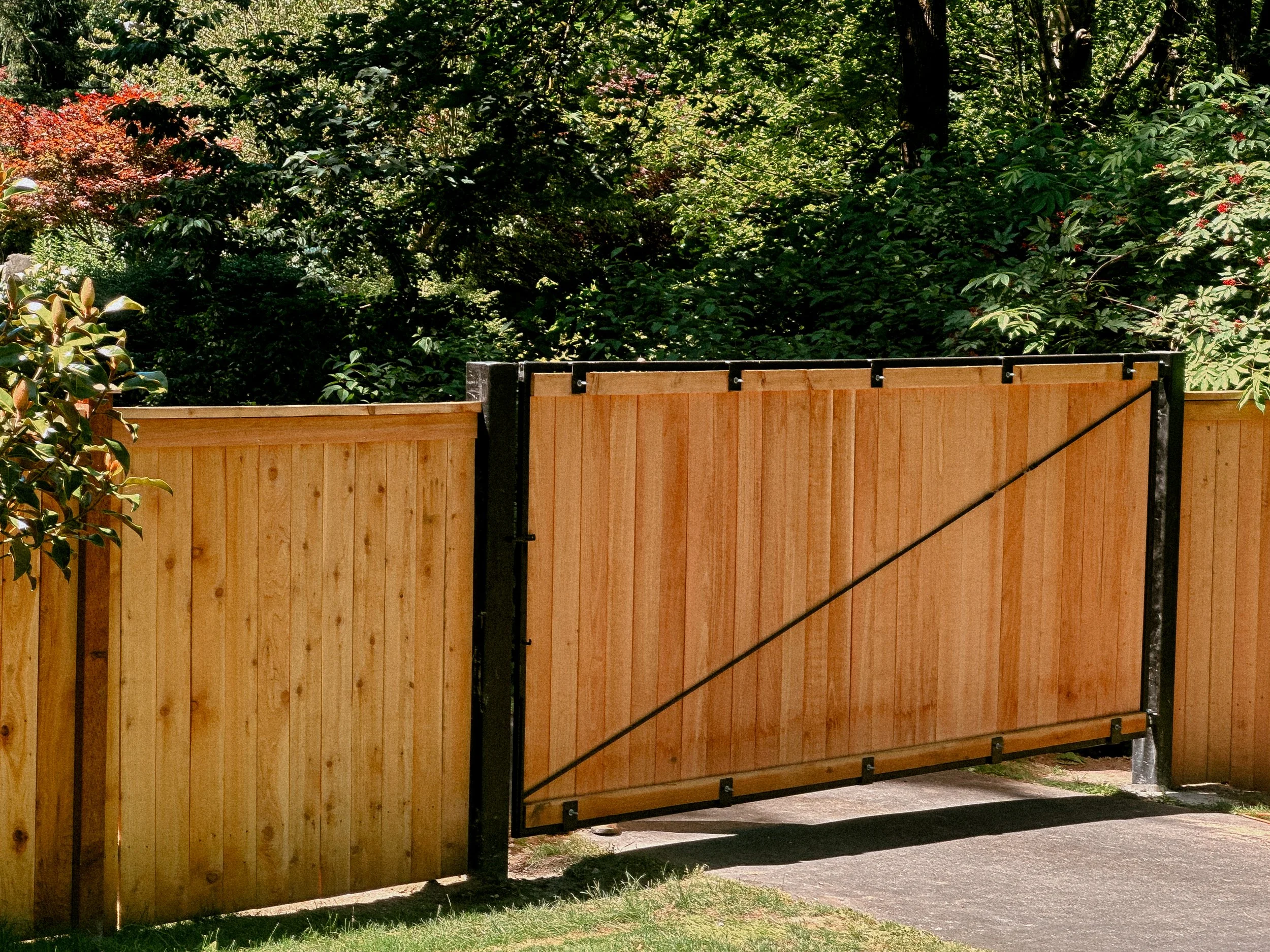
Cedar, steel, wire, or iron. Built for the opening, supported by the right posts and hinges, and designed to keep closing smoothly year after year.

Licensed, bonded, and insured.
Building since 2020

Free written estimates
How We Build Gates That Last
The right build depends on the gate’s width, weight, location, slope, and how often it will be used. We account for all of that before fabrication begins.
01
A Frame Built for the Weight
We size the frame around the finished gate, including the cedar, metal, hardware, and lock. The goal is a gate that feels solid without being heavier than it needs to be.
02
Hinges That Carry the Load
We use hinges matched to the gate’s size and weight. They can be bolted through a wood frame or welded directly to steel, depending on the build.
03
Reinforced With Steel When Needed
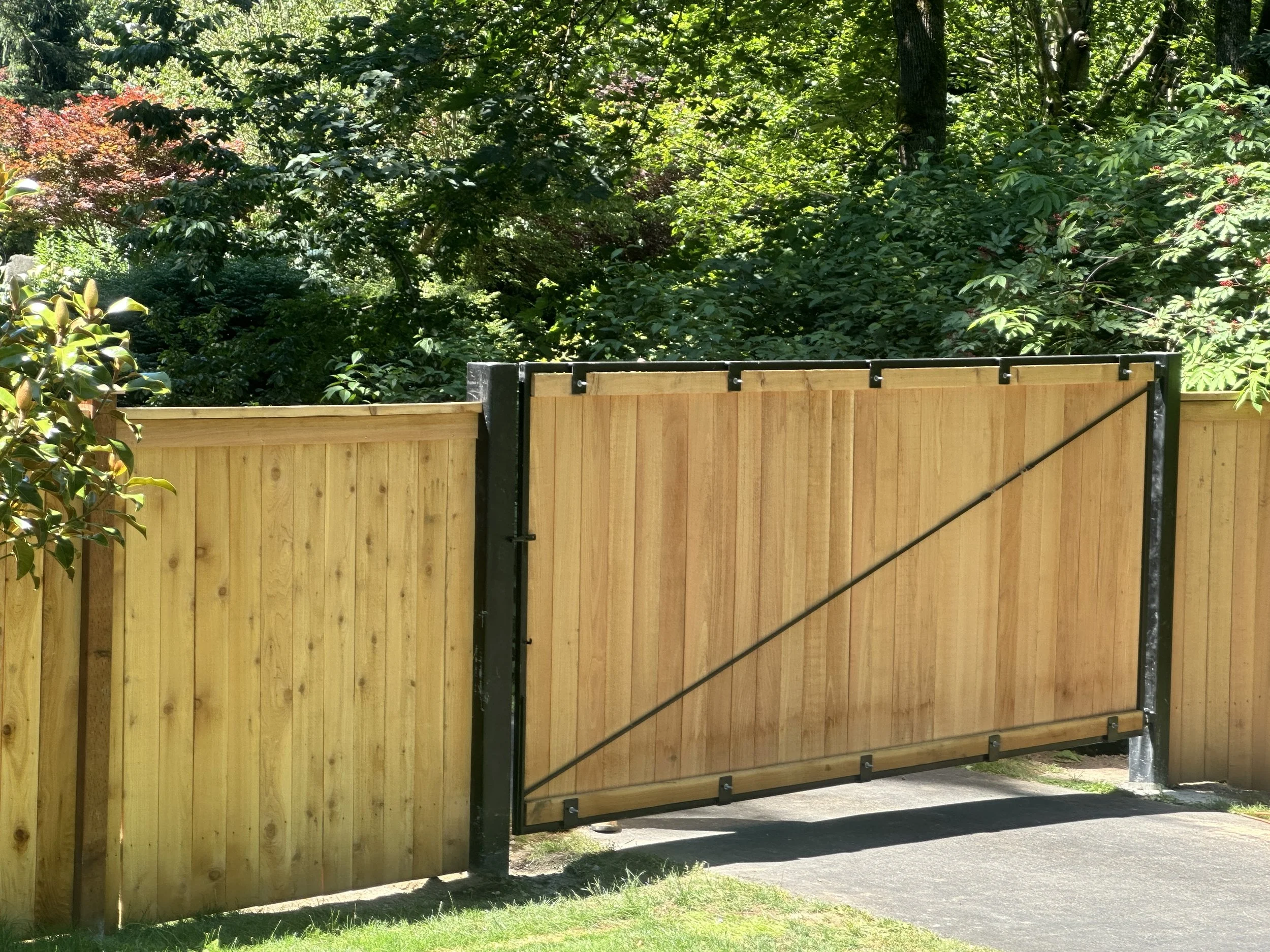
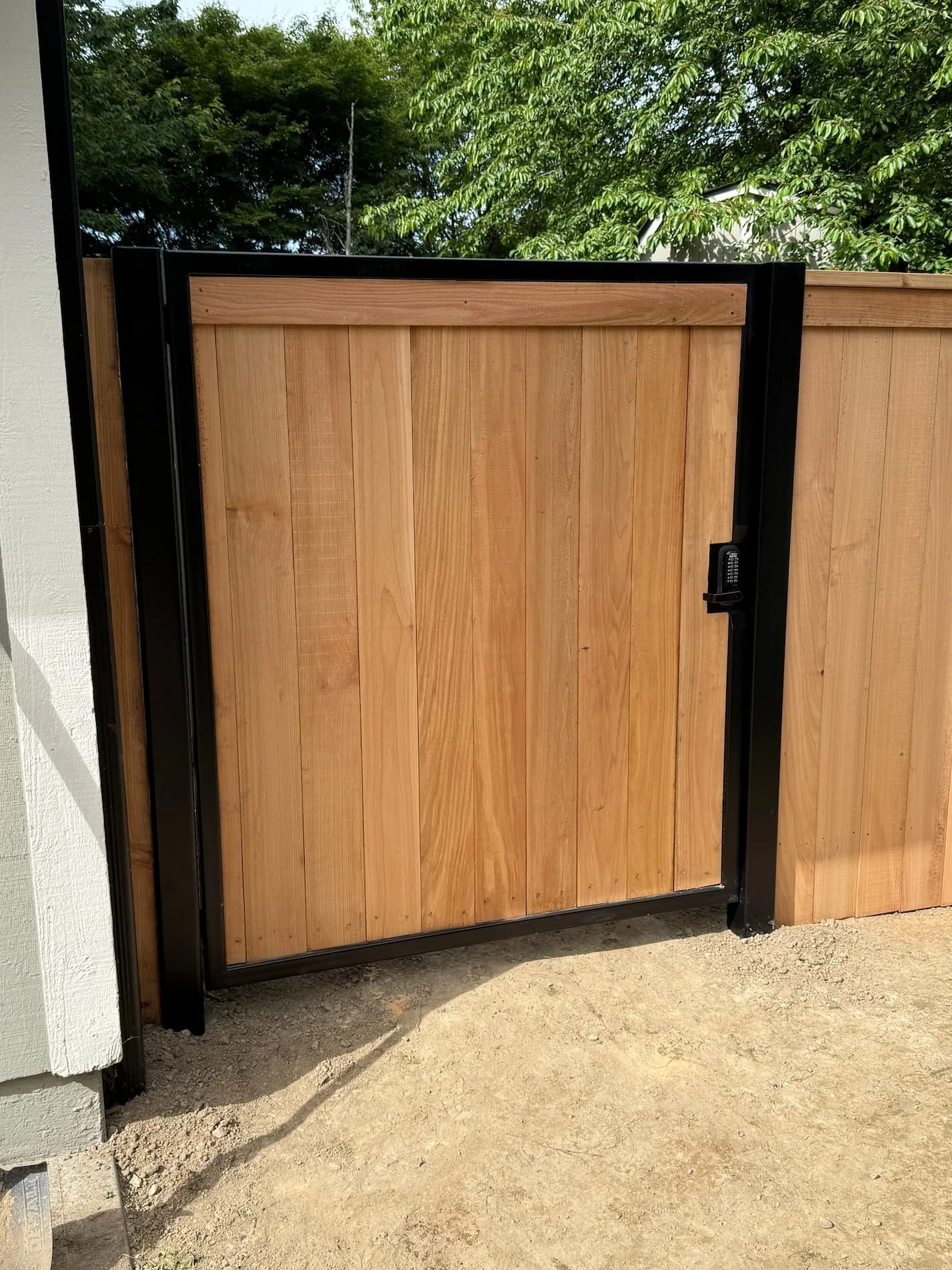
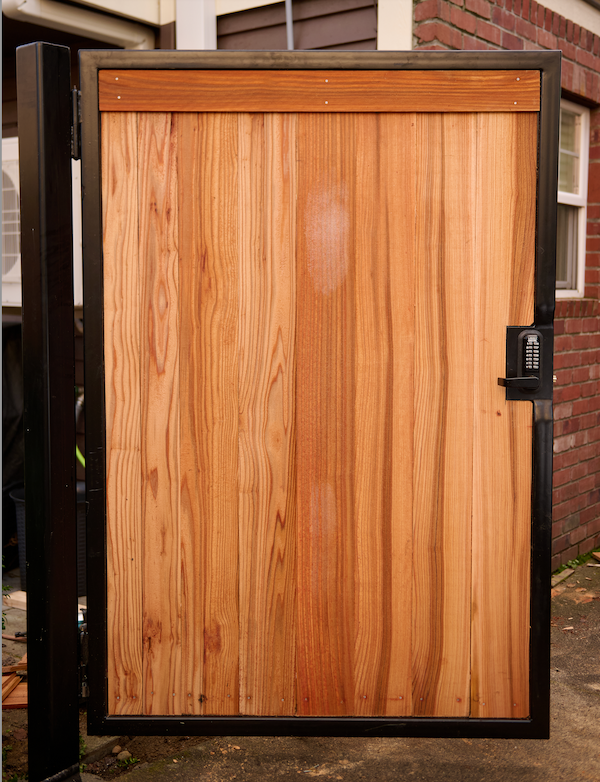
Larger and frequently used gates often benefit from a welded steel frame. Steel resists twisting, gives locks a stable mounting point, and can be covered with cedar to match the fence.
04
Sturdy Posts Designed for the PNW.
The hinge post carries the entire gate. We size and support it for the load instead of treating it like another post in the fence line.
05
Braced in the Right Direction
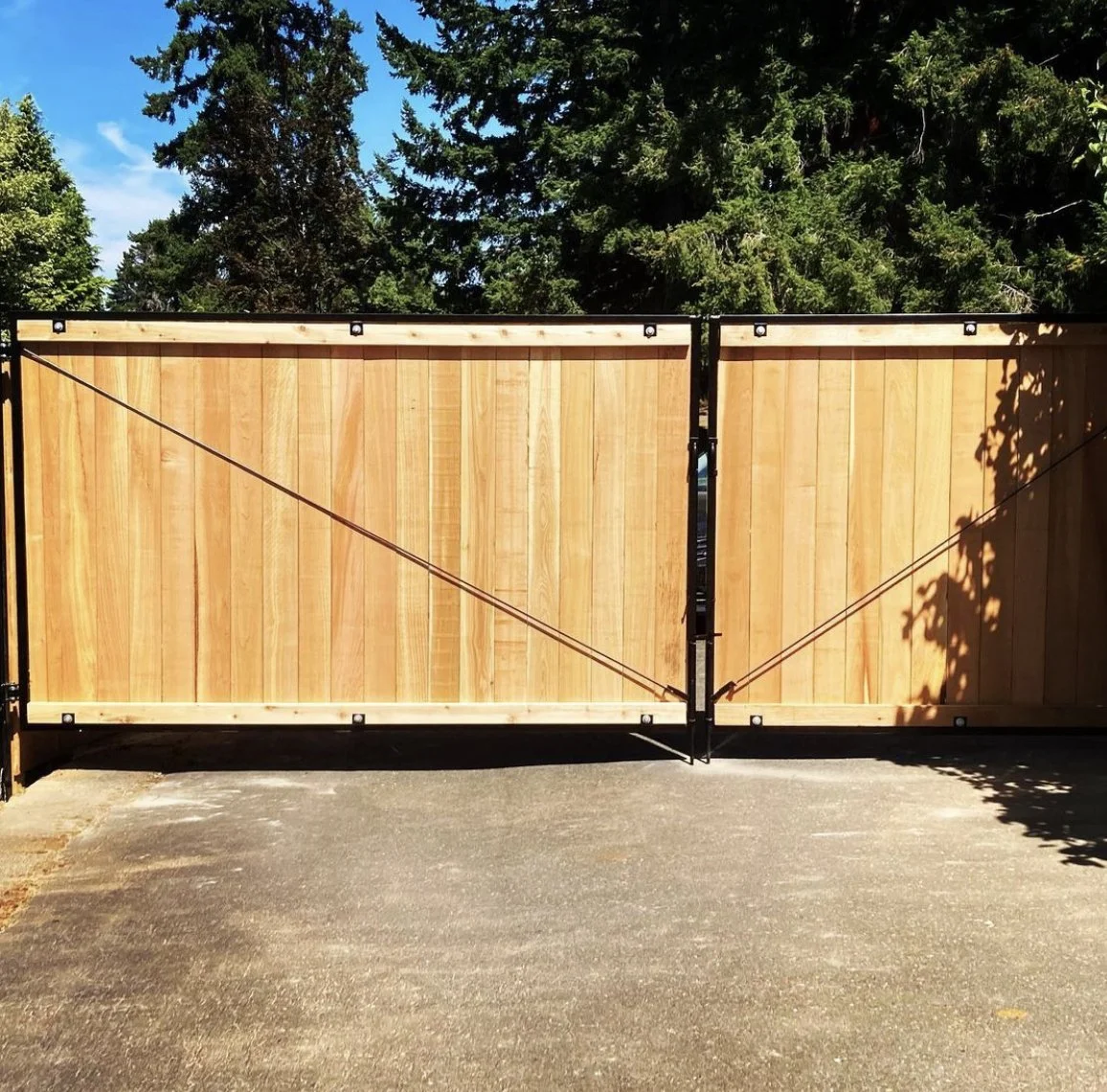
Wood gates receive a properly fitted compression brace that supports the outer corner. Double gates may use adjustable rods or cables so the alignment can be corrected as the materials settle.
06
Finished With the Right Lock
A side-yard gate, rental entrance, and driveway gate all need different hardware. We select the latch, keyed lock, or keypad before fabrication so it fits the frame and works properly from day one.
Styles We Offer
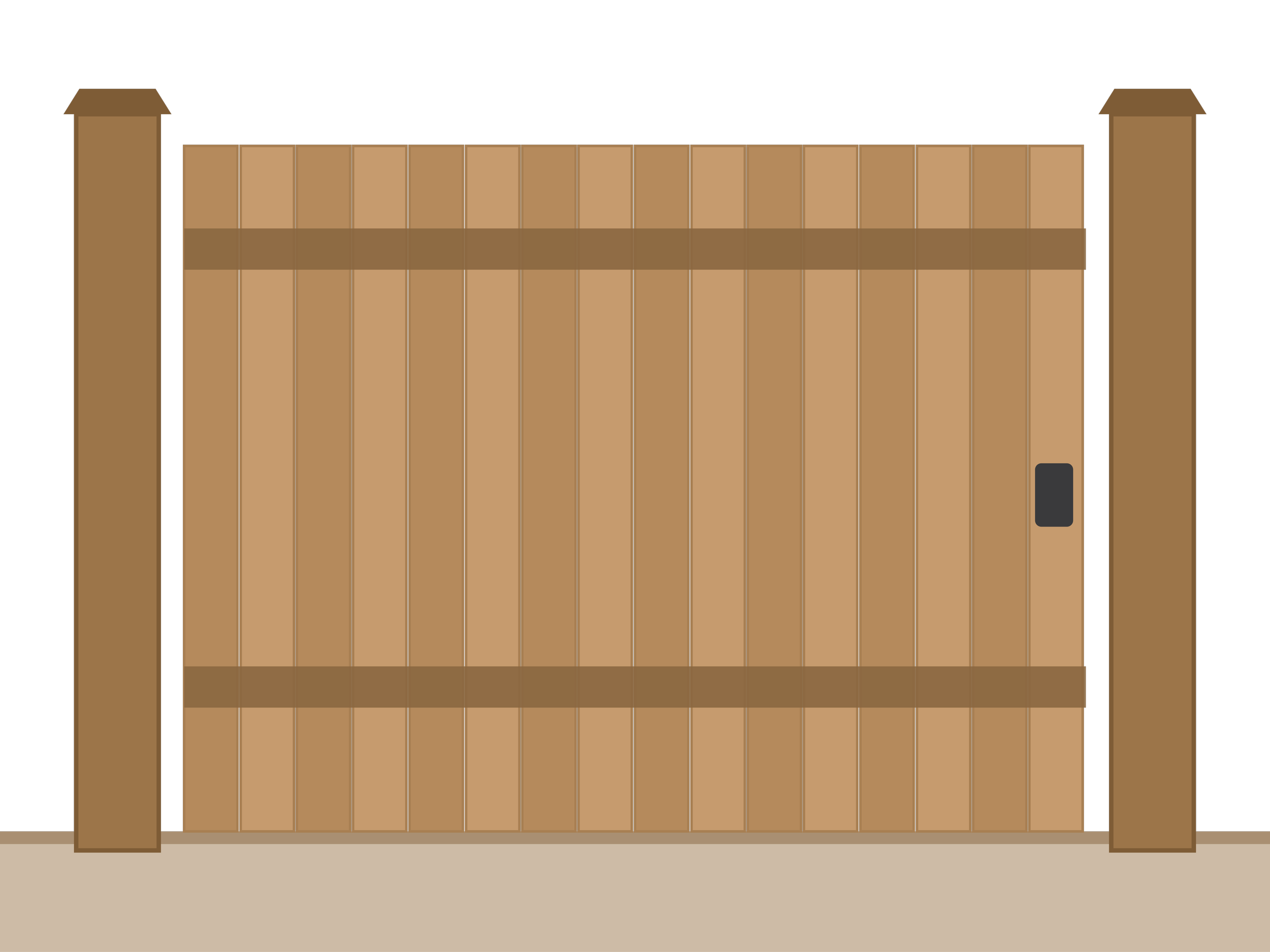
Cedar Privacy
A solid cedar face that matches the height, board direction, and appearance of a privacy fence.
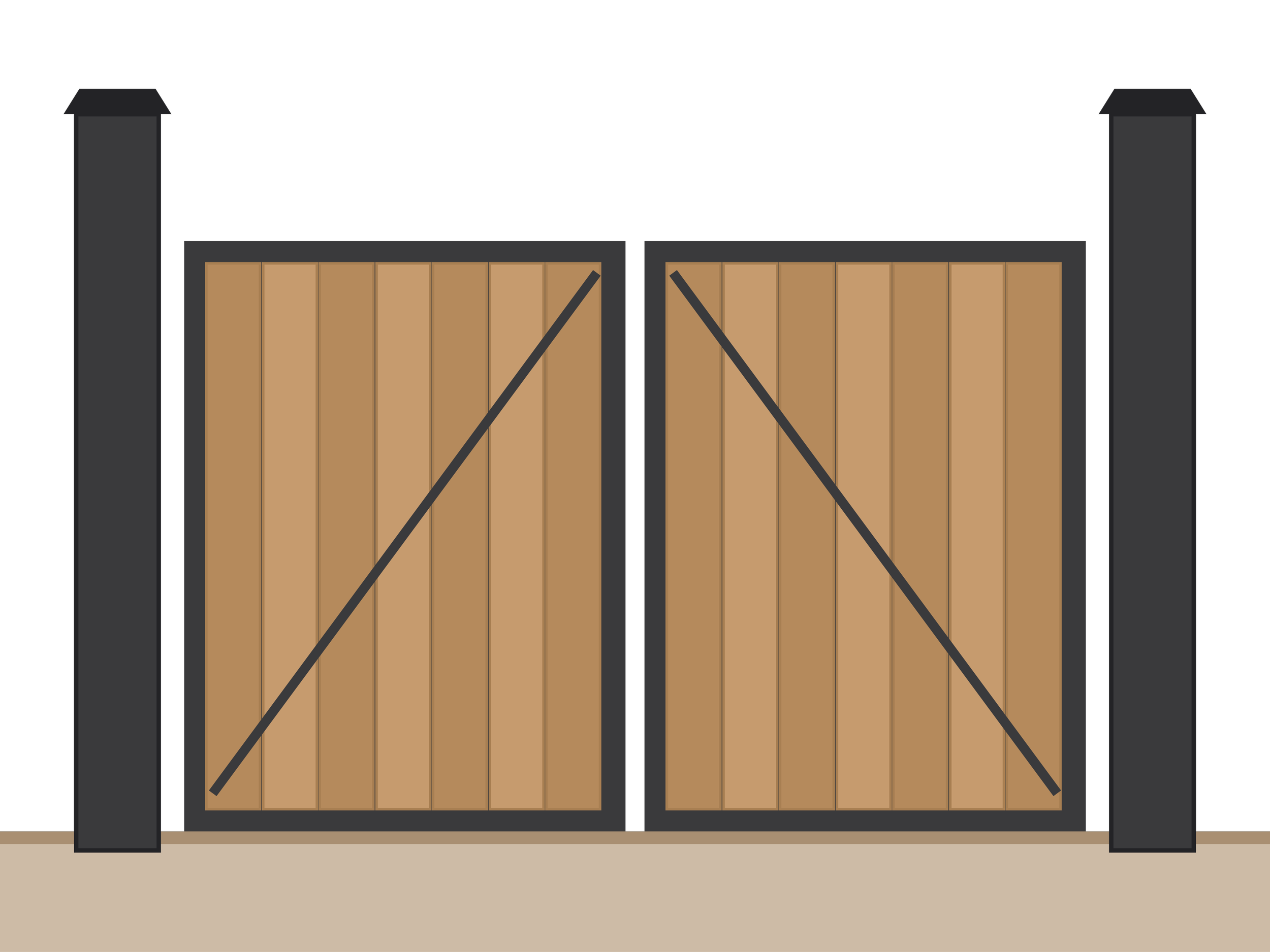
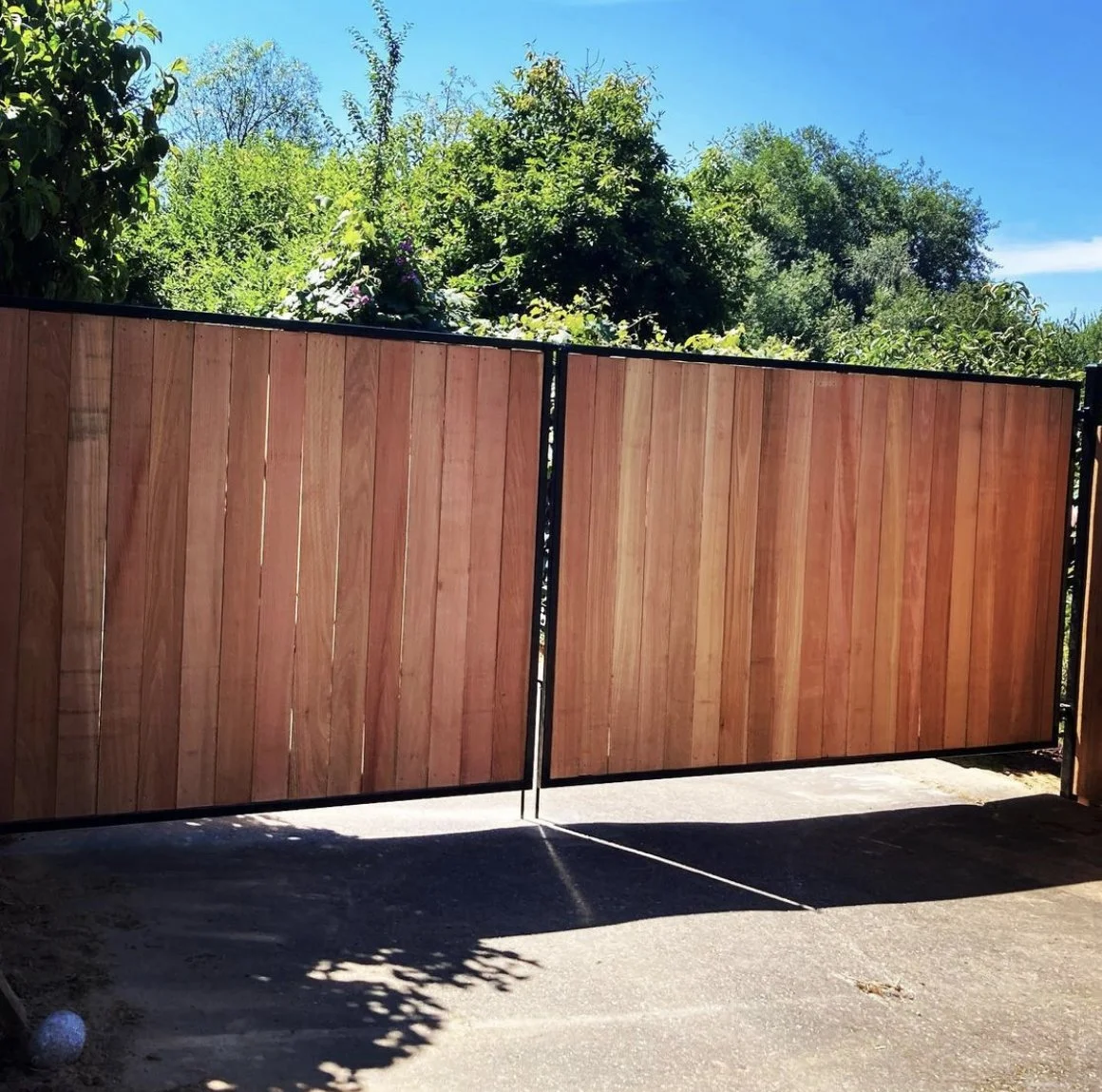
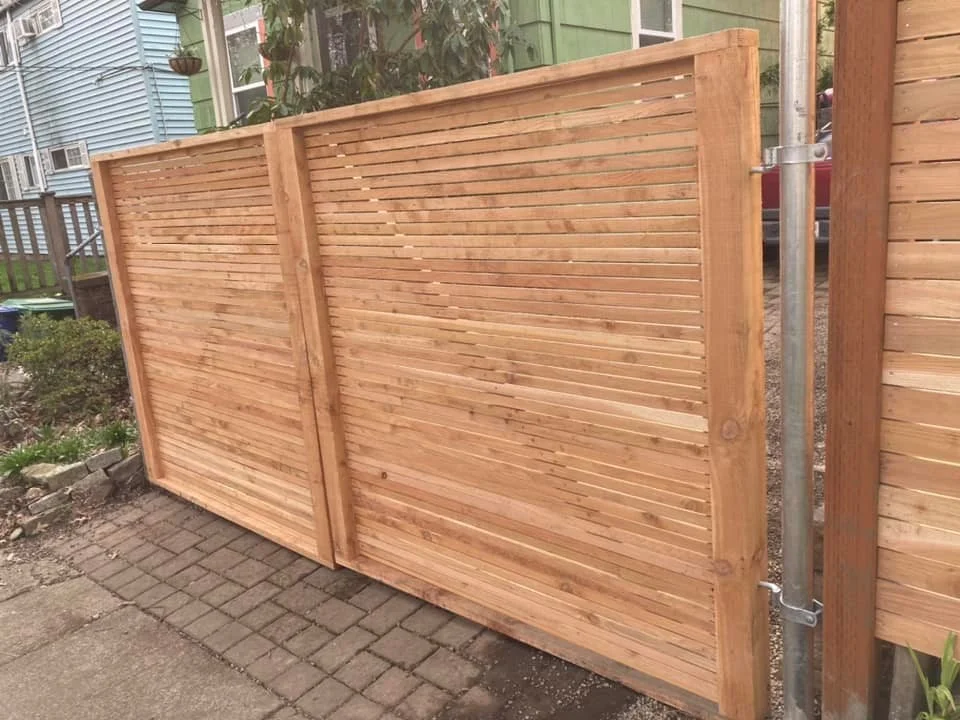
Double Drive
Two gate leaves that open for vehicle, trailer, or equipment access.
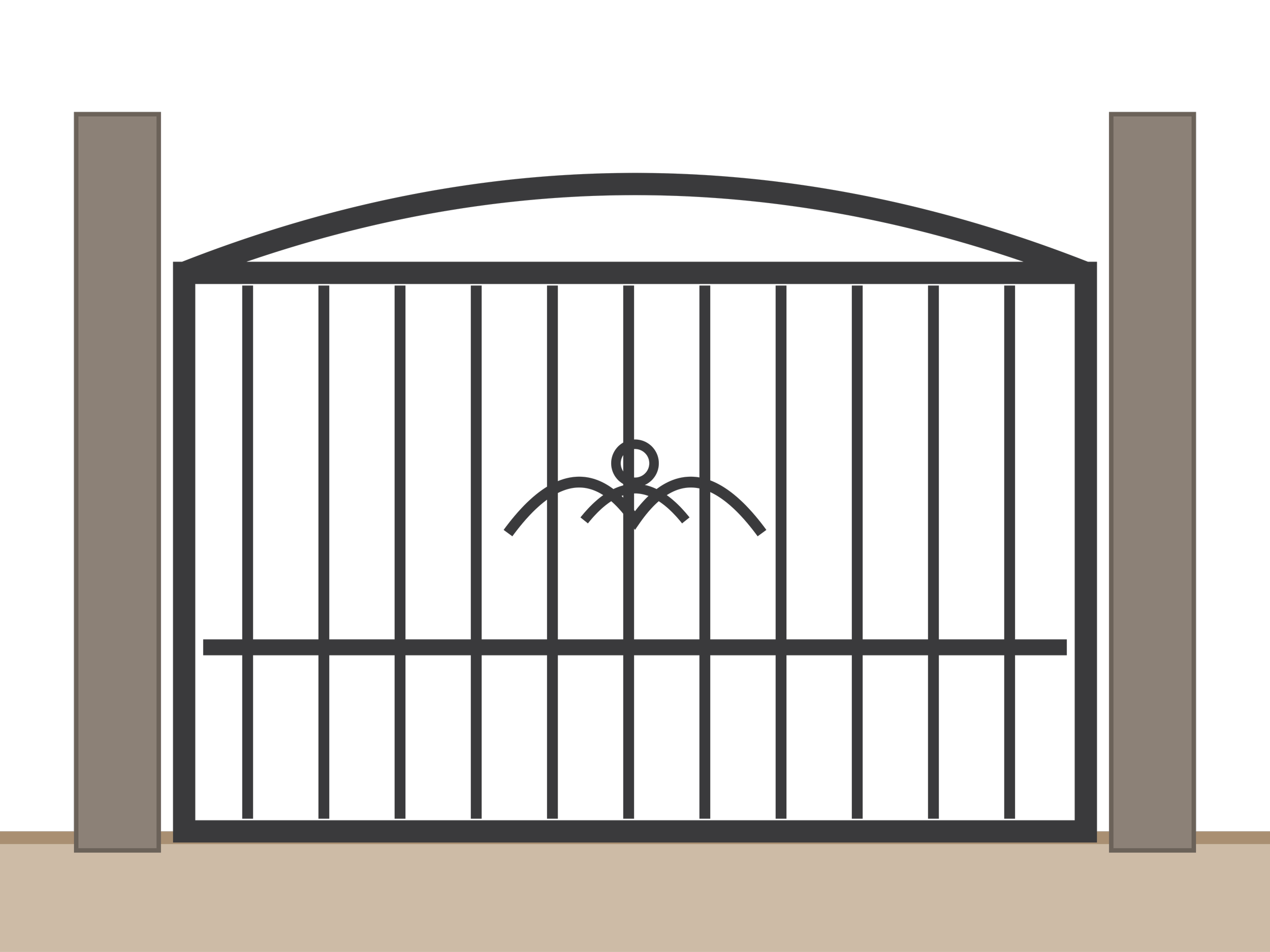
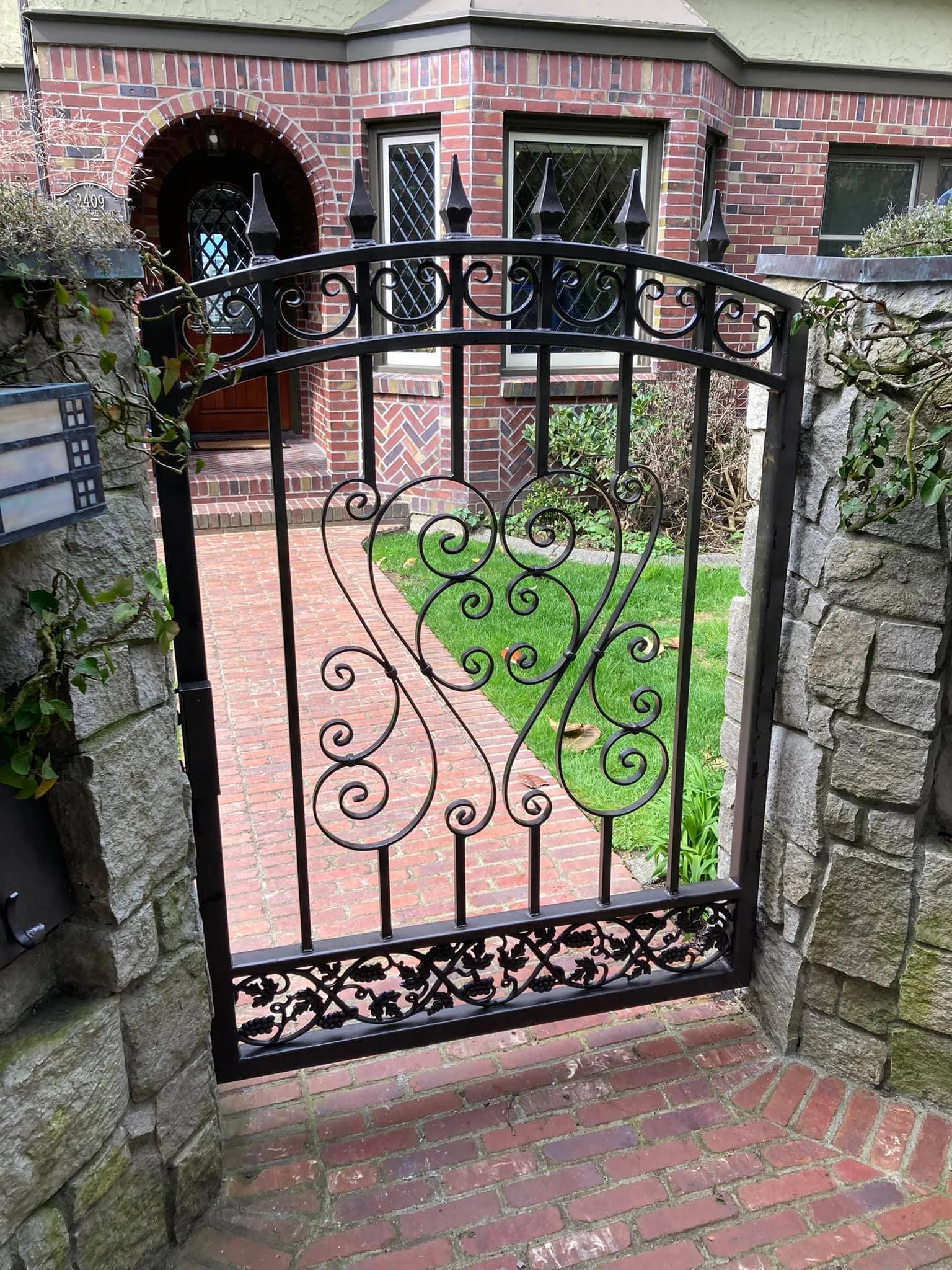
Ornamental Iron
A formal metal gate suited to traditional homes, gardens, and prominent entries.
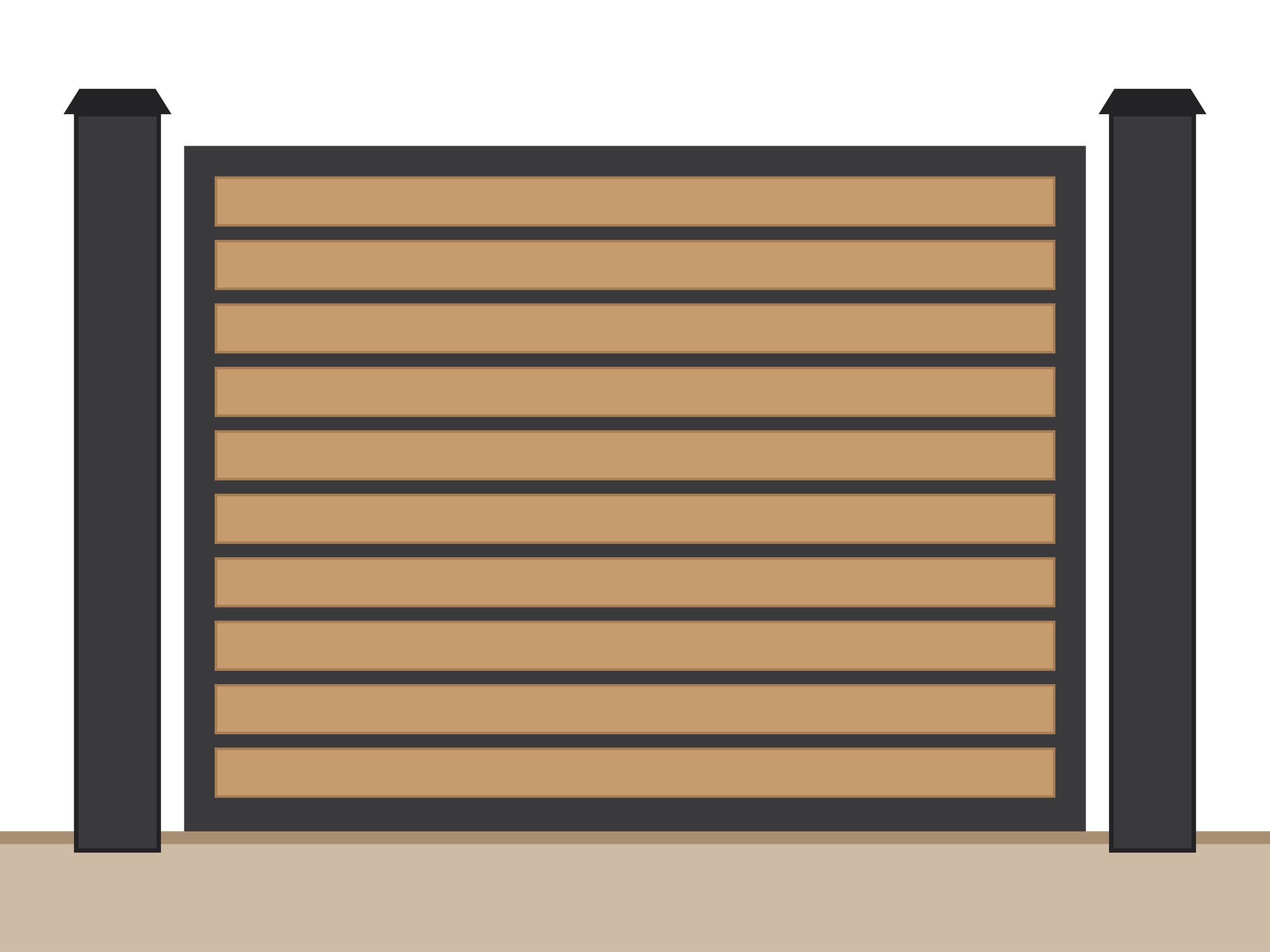
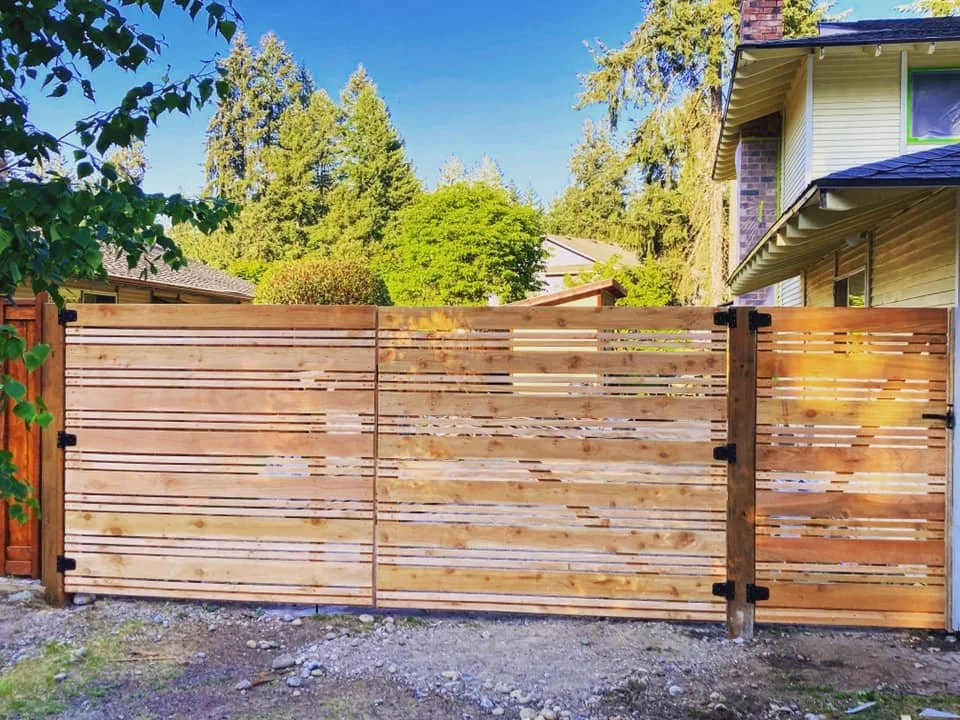
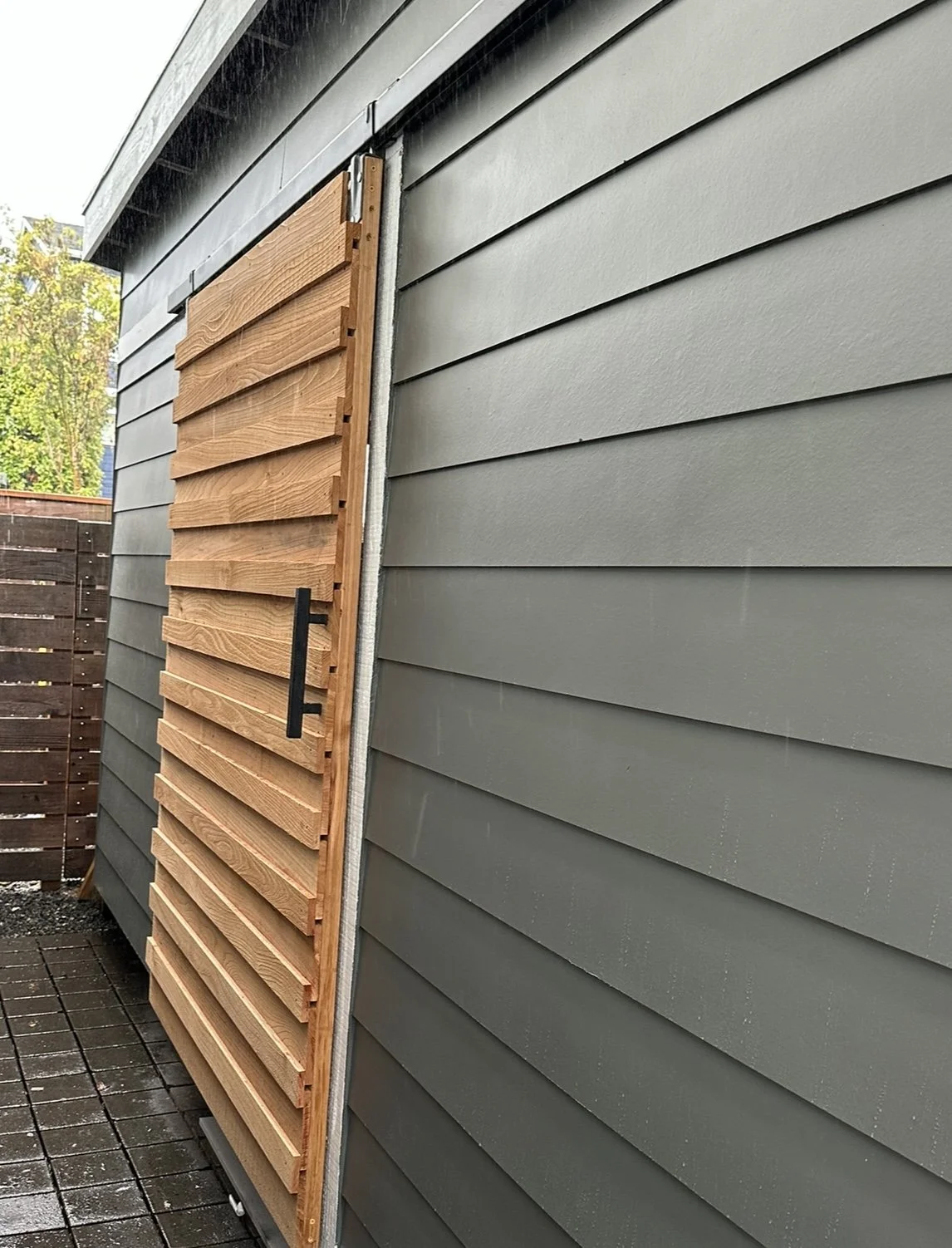
Horizontal Slat
Clean horizontal lines that work especially well with modern fences and steel frames.
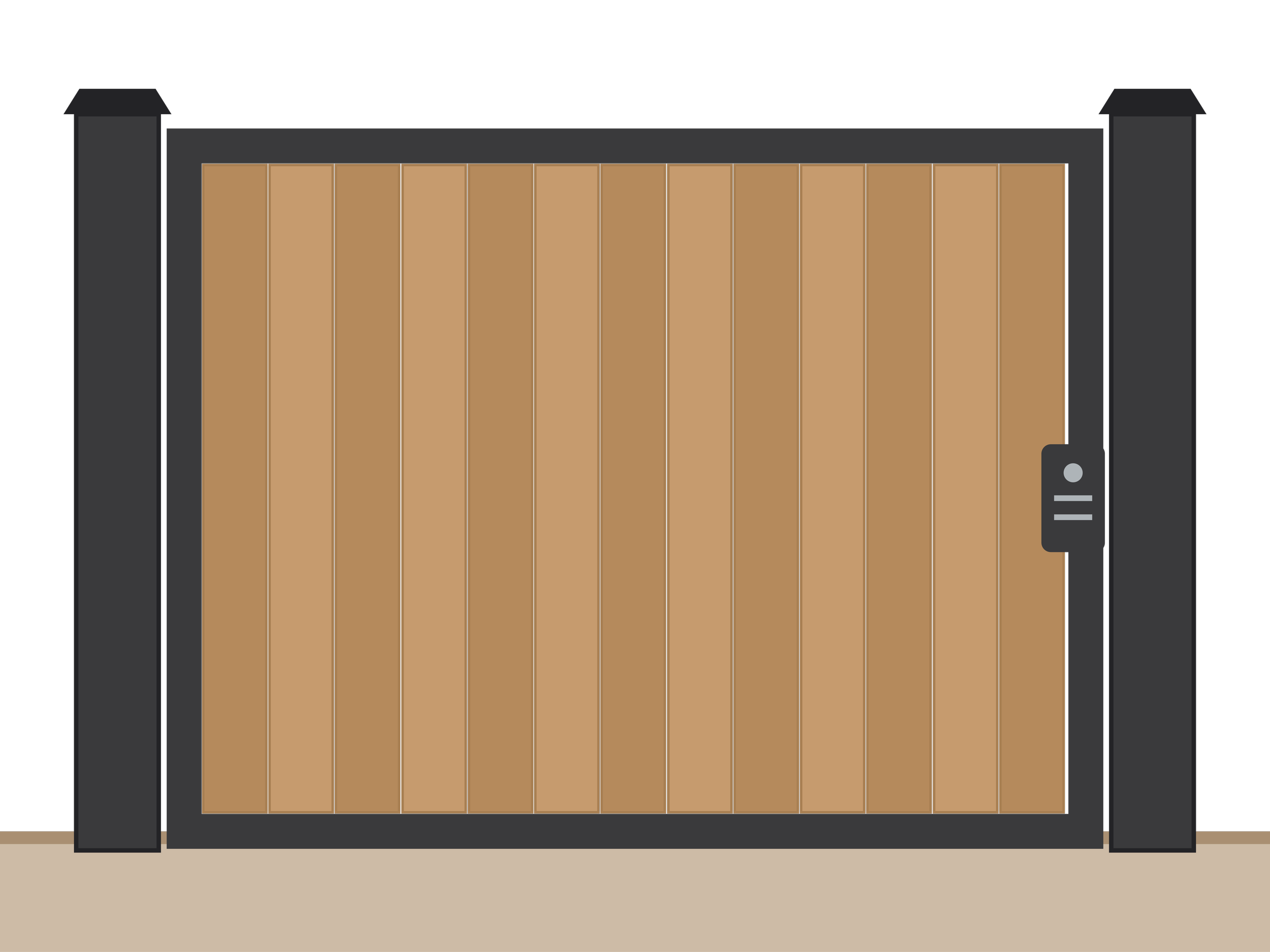
Steel-Framed Cedar
Cedar installed over a welded steel frame for the appearance of wood with more support underneath.
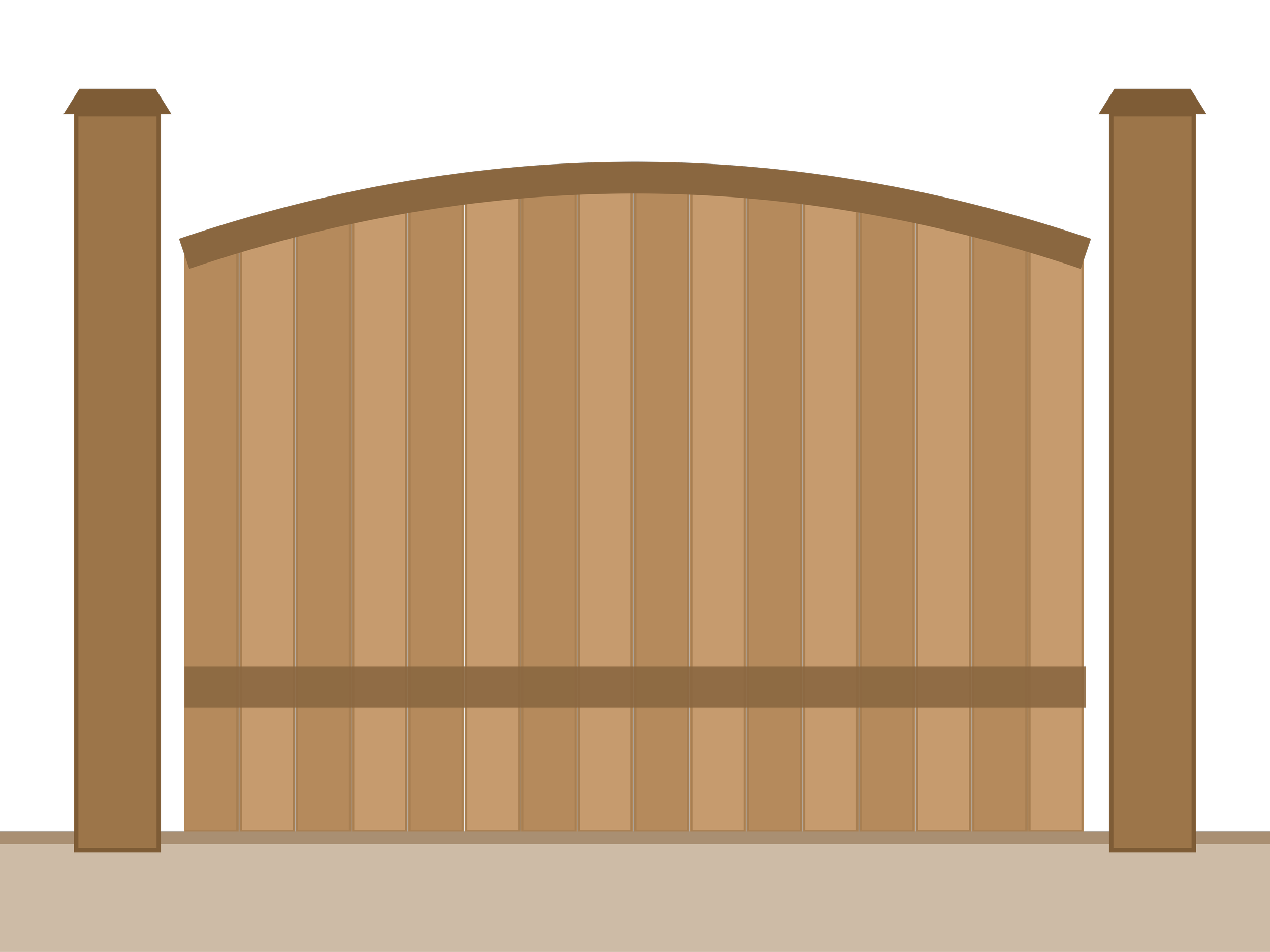
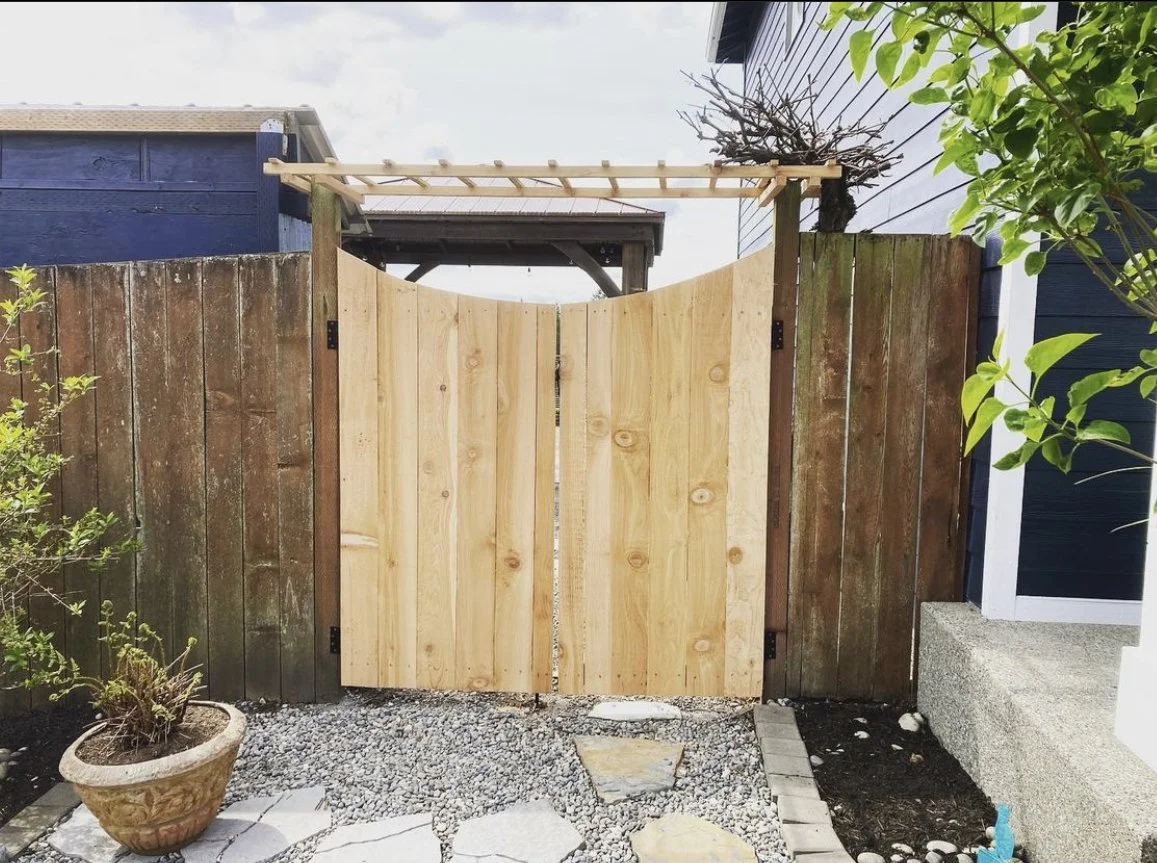
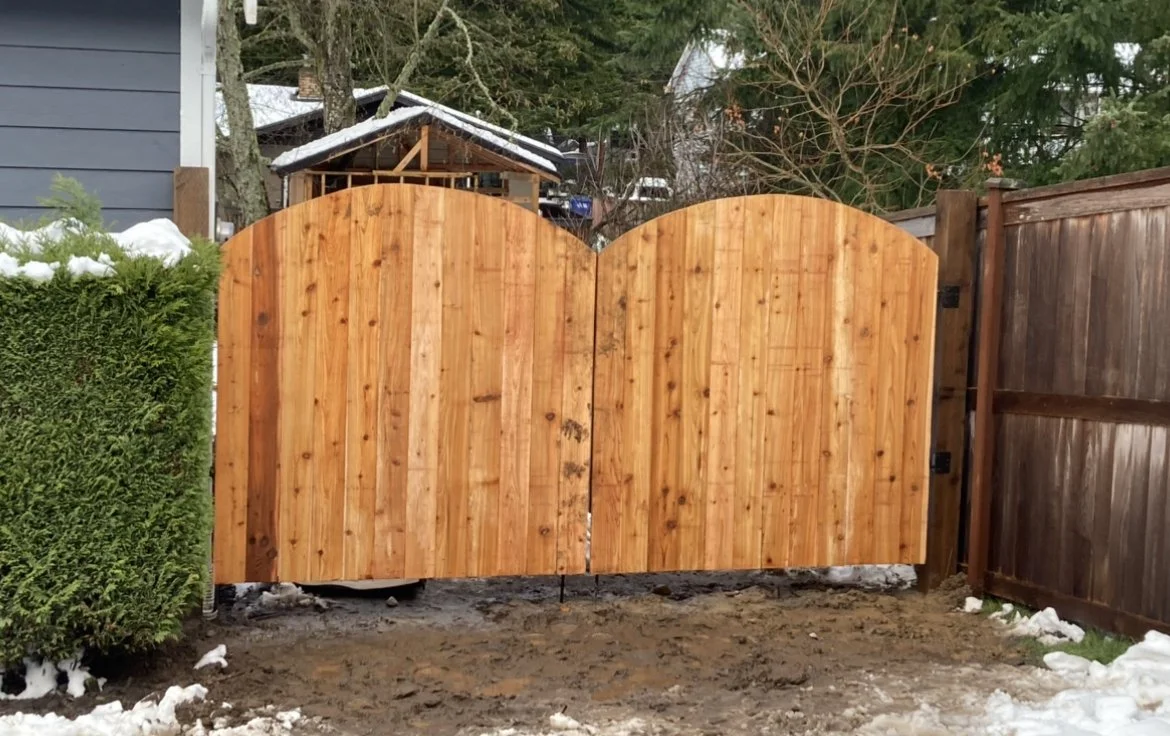
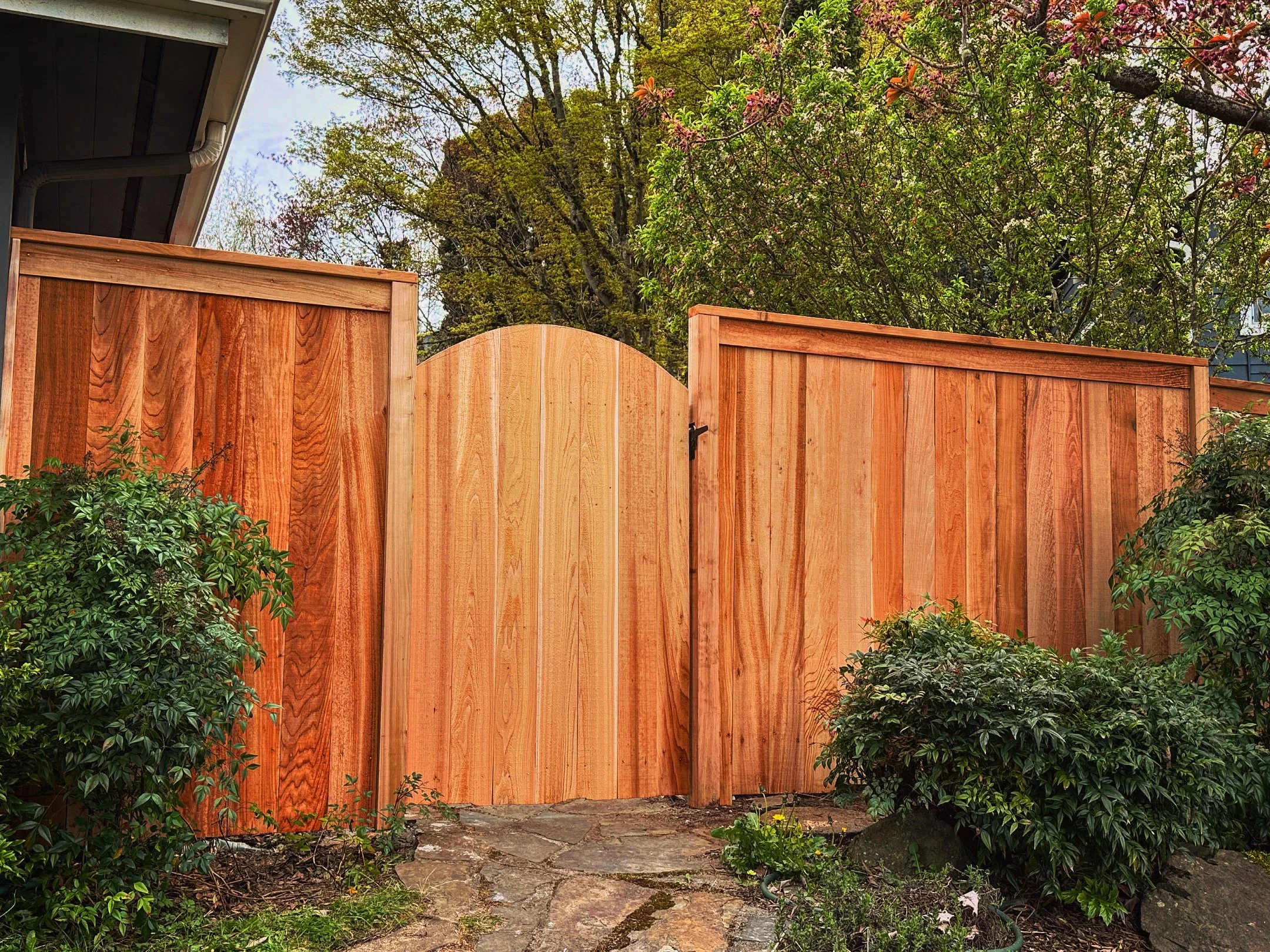
Arched Top
A curved upper rail that gives an entry a softer, more traditional shape.
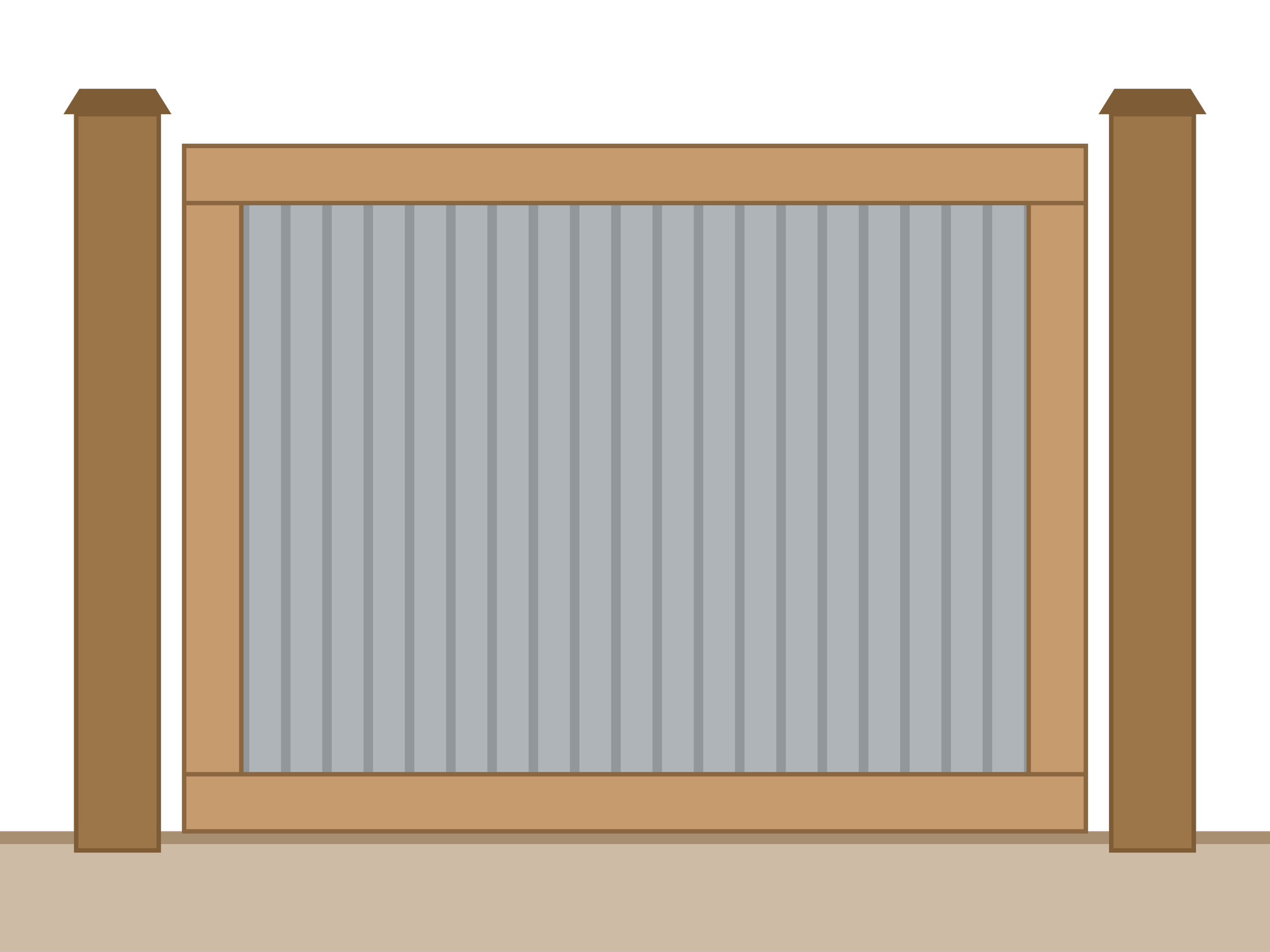
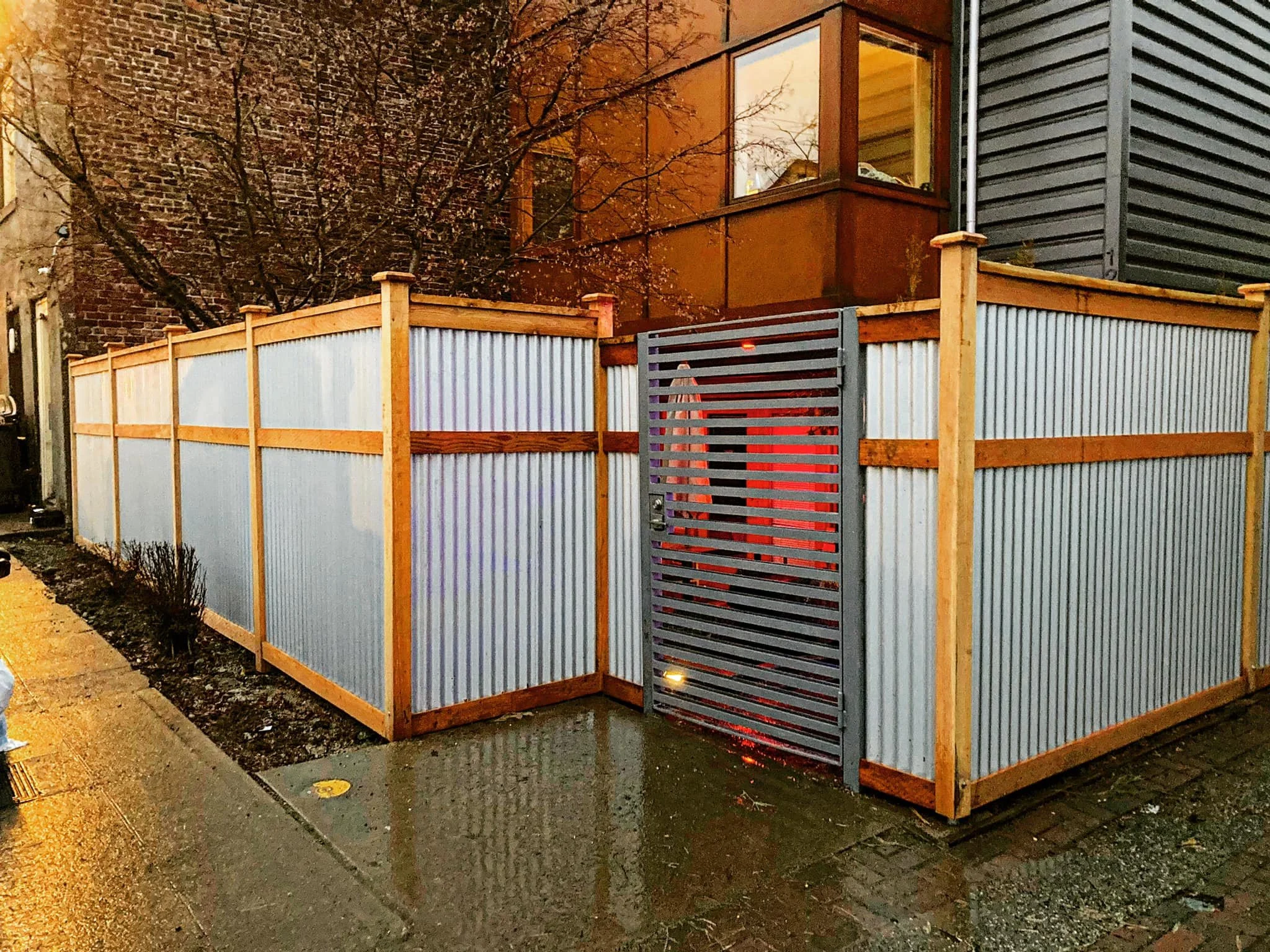
Corrugated Metal
Metal-panel infill surrounded by cedar or steel for privacy and a more industrial appearance.
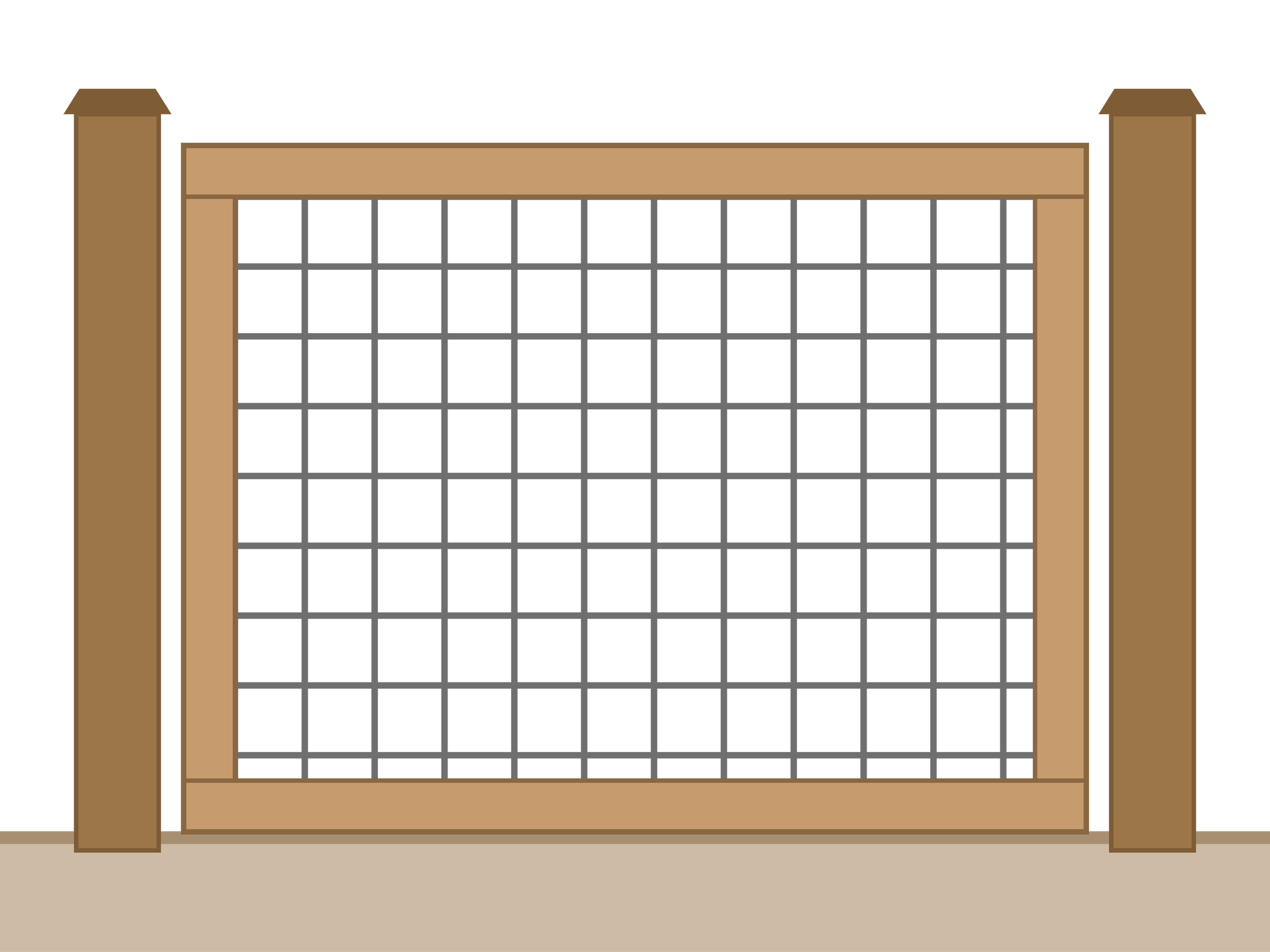
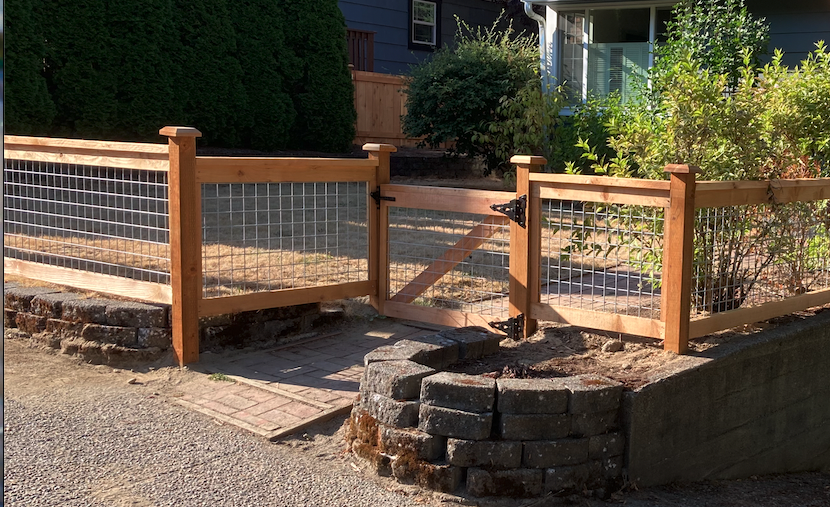
Hog Wire
An open wire panel that keeps pets contained without closing off the view.
Keypad and Keyless Entry
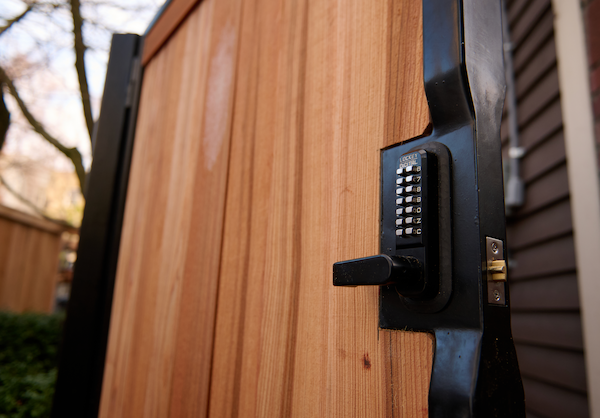
A keypad makes access easier for households, rentals, service providers, and anyone tired of keeping track of another key. Codes can be changed without replacing physical keys or handing out new copies.
We use exterior-rated gate hardware and match the lock to the frame, opening, and level of security required.
Sloped and Uneven Openings
Sloped openings are common throughout Seattle and the Eastside. The ground may fall across the opening, rise in the direction of travel, or leave too little clearance for a standard swing.
Depending on the property, the answer may be a rising hinge, a shaped lower rail, a different swing direction, or an adjusted opening. We measure the grade and work out the movement before the gate is fabricated.
Why Most Gates Fail
We are often called when a gate drags, misses the latch, or only closes when someone lifts the far corner. By then, one of four things has usually failed.
01
The Frame Pulls Out of Square
The entire gate hangs from the hinge side. Without enough support, the weight slowly pulls the opposite corner down until the gate drags or stops lining up with the latch.
02
The Hinge Post Shifts
Every pound of the gate hangs from one post. That post only needs to move slightly before the change becomes obvious at the far end of the gate. Wet ground, shallow support, and seasonal movement can all contribute.
03
The Brace Is Not Carrying the Weight
A wood gate can have a diagonal brace and still sag. If the brace runs in the wrong direction or is not fitted tightly, the frame continues to move under its own weight.
04
The Hardware Works Loose
The hinges carry the gate through a small number of fasteners. If the hinges are undersized or poorly attached, repeated use and seasonal wood movement gradually loosen the connection.
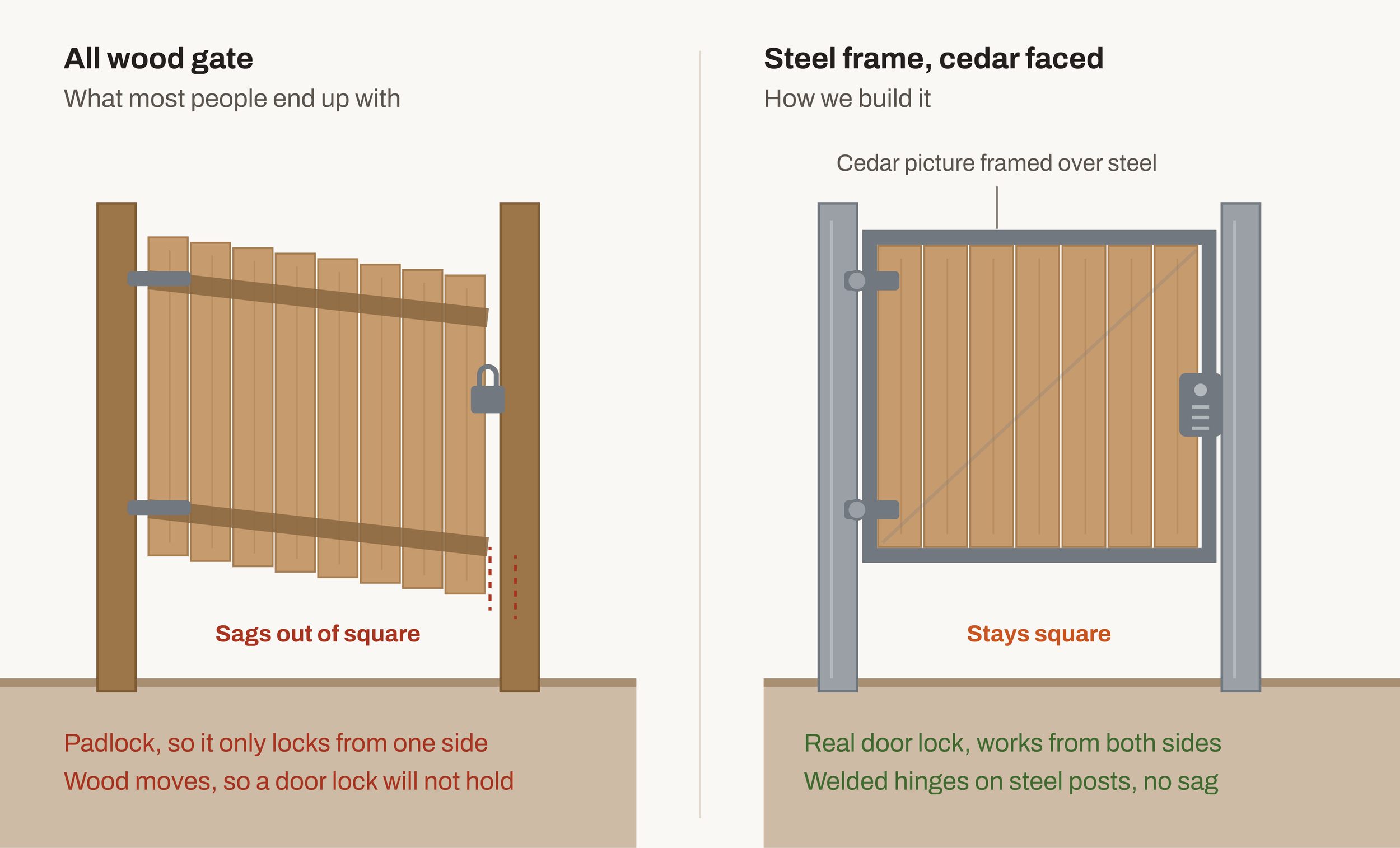
The same opening, built two ways. A properly supported frame holds its shape, so the gate keeps meeting the latch where it should.
When a gate stops locking, the lock is often not the real problem. The frame has sagged, the hinge post has shifted, or the hardware has loosened. We build the frame, posts, hinges, and lock to work together because one moving part can throw off the entire gate.
Recent Work
Tell Us About The Project
The more you can tell us up front, the more useful the first conversation is. If you would rather just call, the number can be found below.
RATHER CALL?
HOURS
Monday to Friday
6 AM - 6 PM
Saturday–Sunday
7 AM – 5 PM
SHOP
BUYING WHOLESALE?
Lumber yards, dealers and distributors ordering Post on Pipe should use the wholesale inquiry form instead.
Our Process
-
01
Tell Us About Your Project
Tell us what you are planning and send a few photos of the yard. We follow up to talk through the project and set a time to come out.
-
02
Schedule a Site Visit
We walk the property with you, review drainage, soil, access, and other site conditions, then discuss the best options for your project.
-
03
Review Your Estimate
You receive a detailed written estimate outlining the scope of work, recommended materials, and cost.
-
04
We Get To Work
Our crew coordinates the materials, permitting when required, construction, and cleanup while keeping you informed throughout the project.
-
05
Final Walkthrough
We review the completed work with you and address any final details before wrapping up the project.
Common questions
-
A simple cedar walk gate can start in the hundreds when included with a fence project. Standalone installation, steel framing, double openings, keypad hardware, difficult grades, and custom fabrication increase the price.
We evaluate the opening first and provide a written estimate showing exactly what is included.
-
Often, yes. We inspect the posts on both sides of the opening first because a gate places more load on them than the fence itself.
-
We can usually match the height, board direction, spacing, and general style. New cedar may look lighter than an older fence until it has had time to weather.
-
Yes. The best hardware depends on the frame and how you use the gate. Options include keyed locks, keypad entry, keyless combination locks, and dependable two-sided latches.
-
There is no useful one-size-fits-all maximum. Wider openings require a stronger frame, heavier posts and hinges, or two gate leaves instead of one. Tell us what needs to pass through the opening, including vehicles, trailers, or equipment.